VeeHive.ai
How I anchored a creator-platform redesign in real research while the business case pivoted every few months — and shipped a full product across dashboard, mobile, and desktop.
- Qualified leads
- +40%
- User satisfaction
- +15%
- Design-to-delivery time
- −30%
Problem
VeeHive's business case pivoted constantly — a food-vlog repository, then a multi-community video app, later (after I left) an AI-content-distribution platform. The team never had a settled answer for why we were building VeeHive or who it was for. That instability was the real constraint, not a technical one: anything designed around a specific audience or feature risked being wrong within a quarter.
Process
Anchor on constants
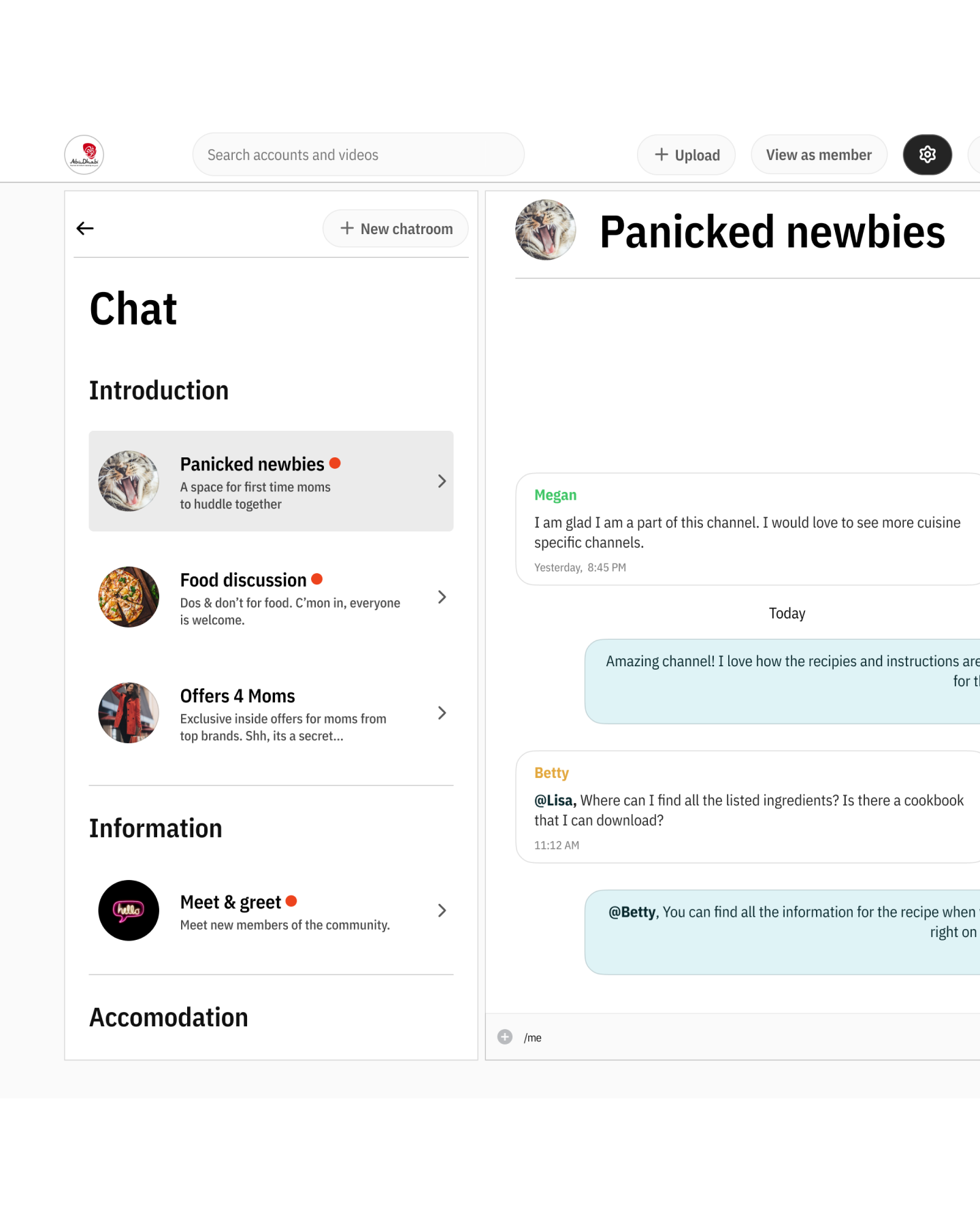
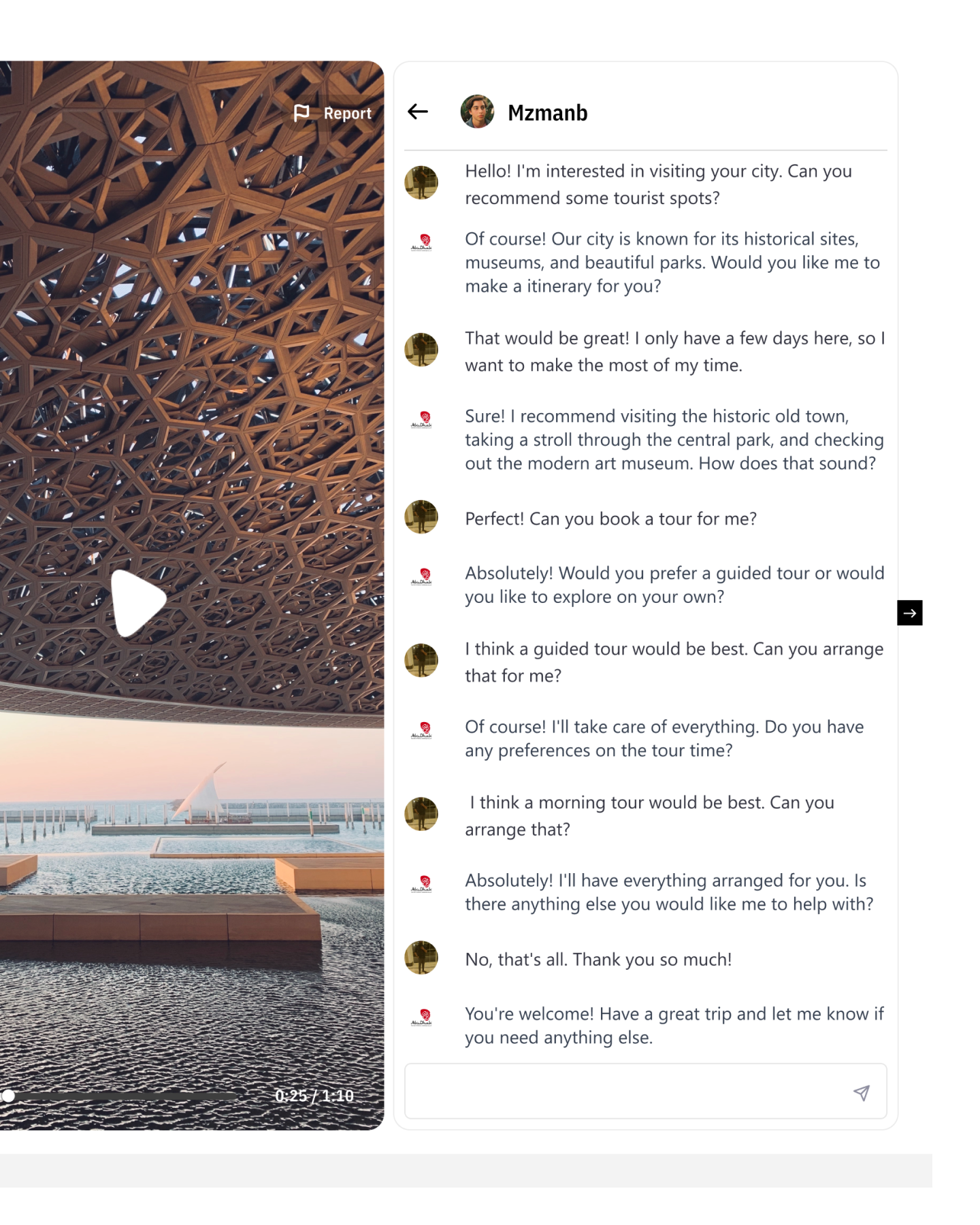
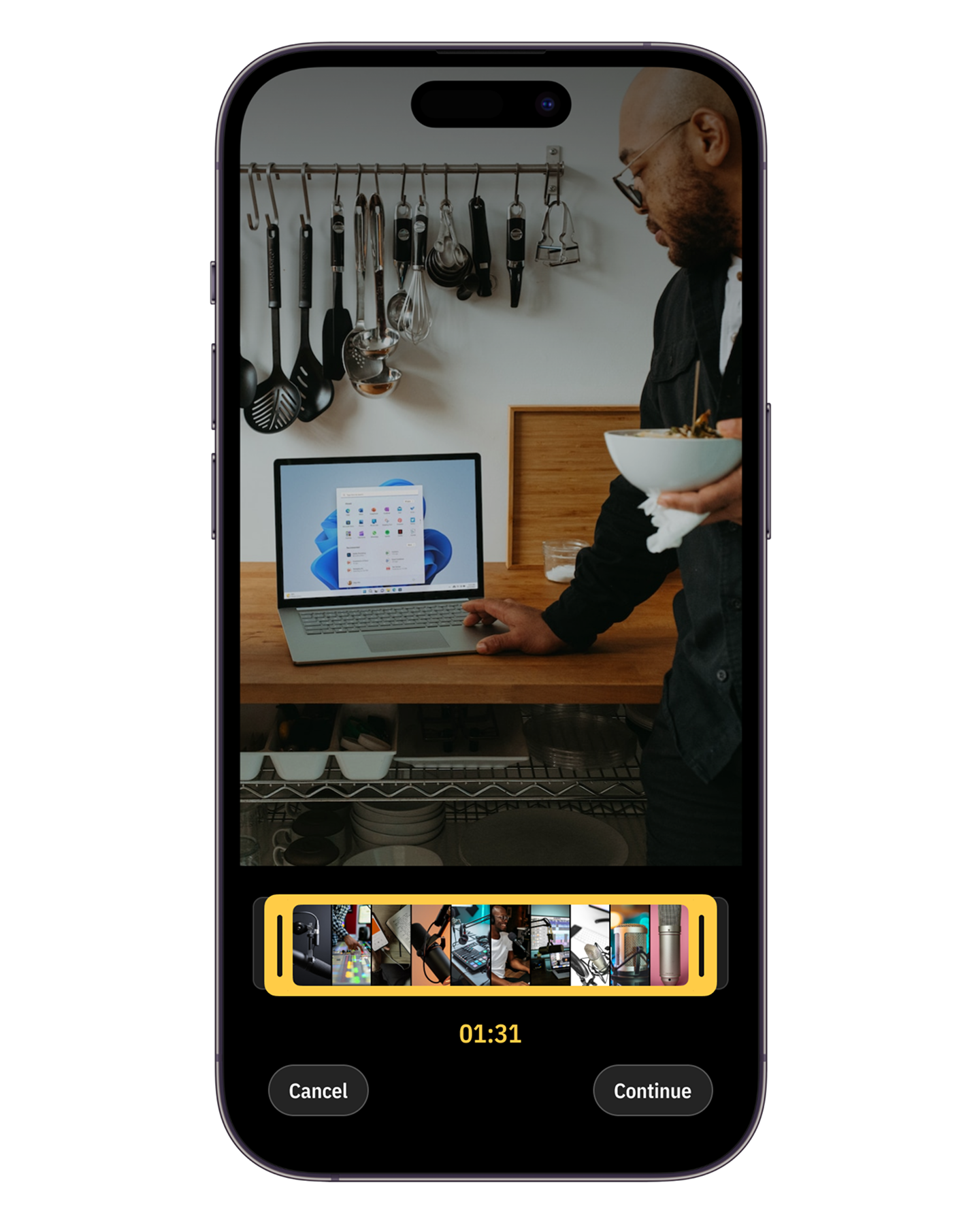
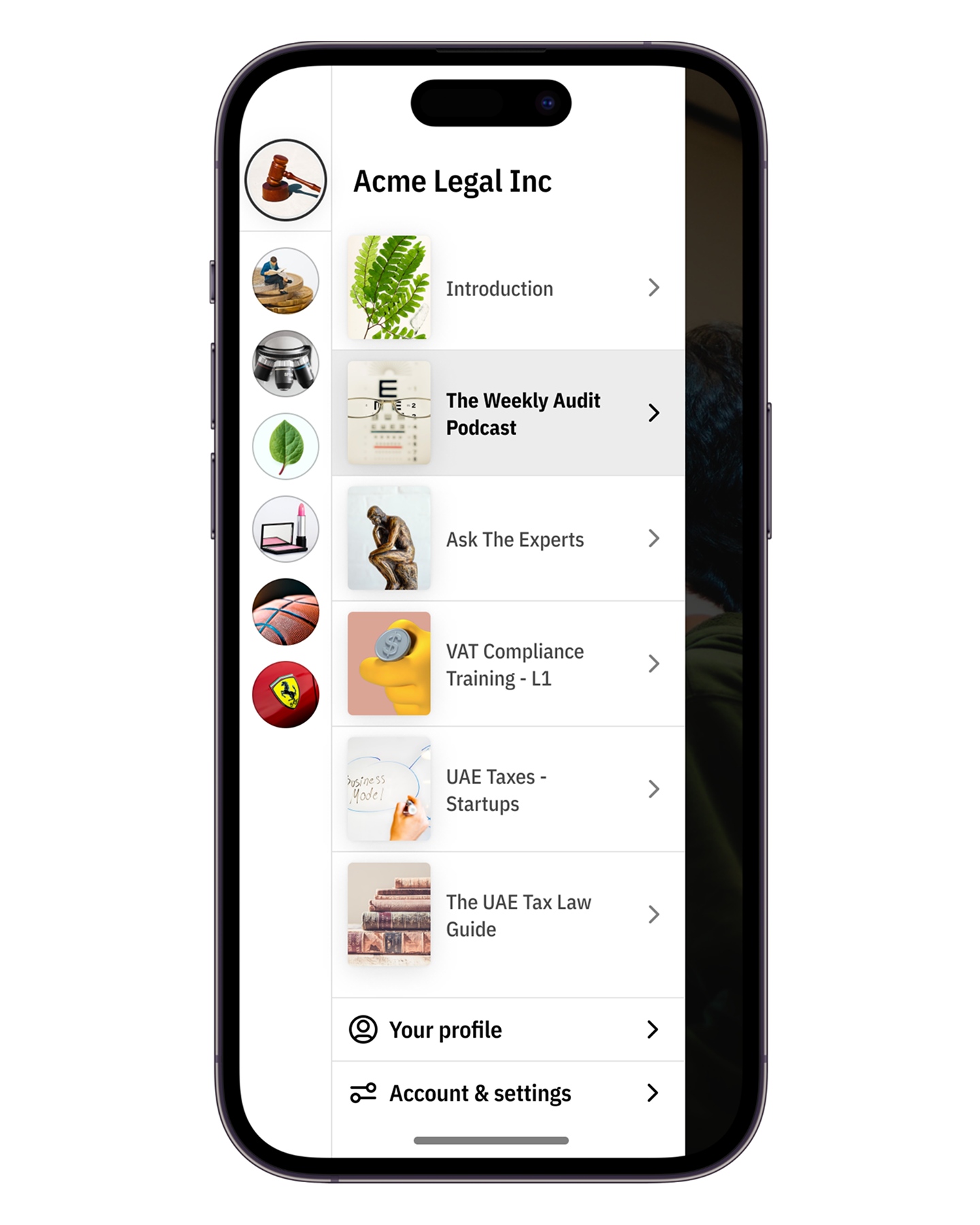
Nine months of research grounded the redesign in evidence instead of the shifting business case: competitive benchmarking against TikTok, Slack, Discord, WhatsApp and Udemy, stakeholder interviews, and user research feeding an agile process — converging on three constants that held across every pivot: persistent community, video-first capture, and cross-platform reach.
Ship the dashboard
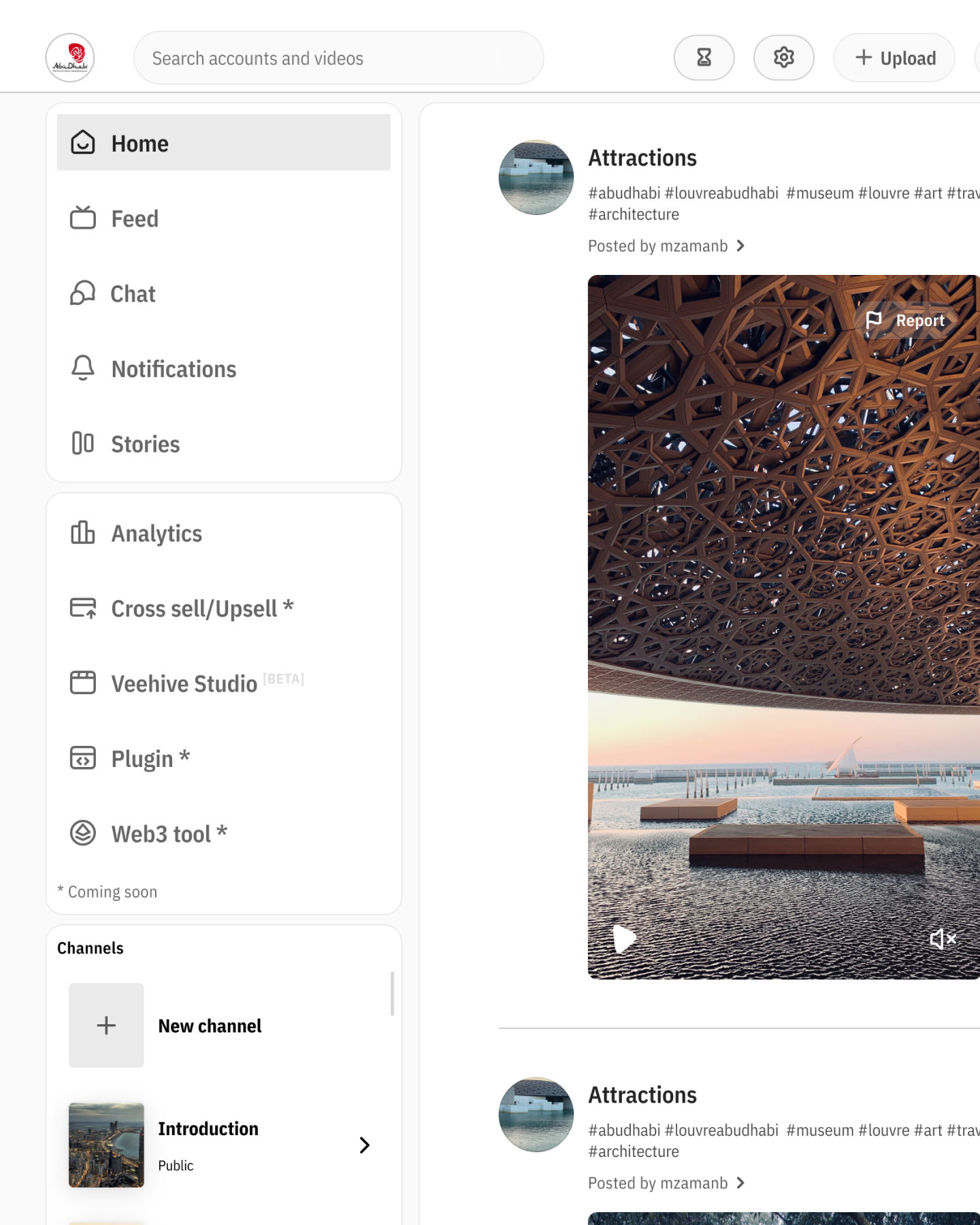
Designed the moderation and analytics dashboard that scaled with the community: engagement and growth analytics at a glance, and a moderation queue with controls for community owners.
Mobile first, then desktop
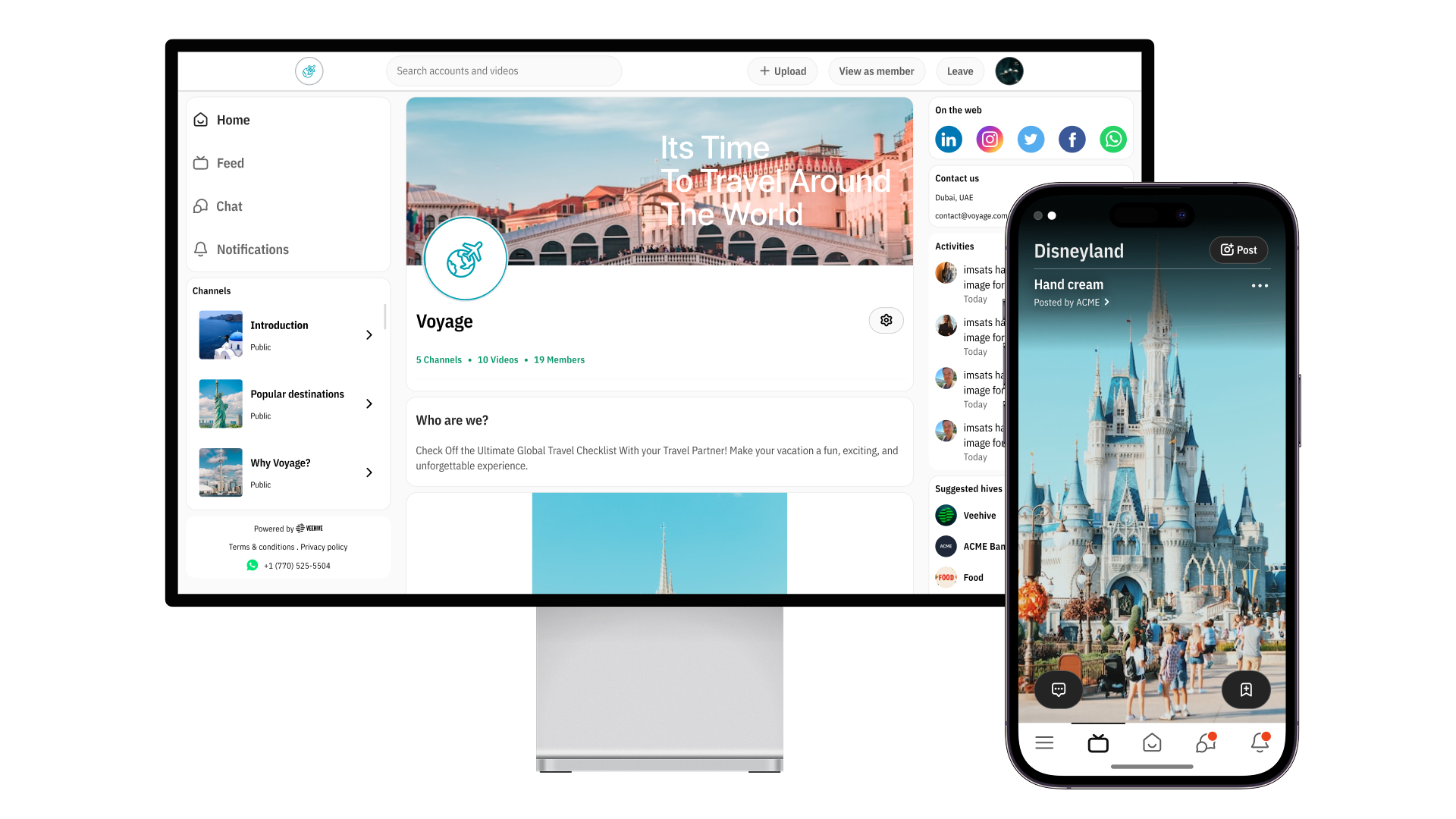
Budget and timeline meant desktop couldn't be built natively in parallel. Shipped mobile-first, then converted the experience into a desktop PWA rather than a second native build.
Decline scope creep
Declined an inbound request to push VeeHive toward a Udemy-style single-vertical course platform — going deep on one content type would have narrowed reach right when product-market fit depended on staying broad.
Outcome
The design system implemented during my time at VeeHive cut the distance from research to a shippable design by 30%, ran 8+ usability tests against the sharpest experience, and — through the faster feedback loop that system enabled — traced to a 40% increase in qualified leads and a 15% increase in user satisfaction. A separate internal push to add NFT-based tokenisation and DAO governance was tested but never took off.
More screens